MEET
I’m a licensed therapist, writer, and brain science nerd with a side hustle in soul-tending—here to help you feel less lost and more like yourself again!
I’m a licensed therapist, writer, and brain science nerd with a side hustle in soul-tending—here to help you feel less lost and more like yourself again!
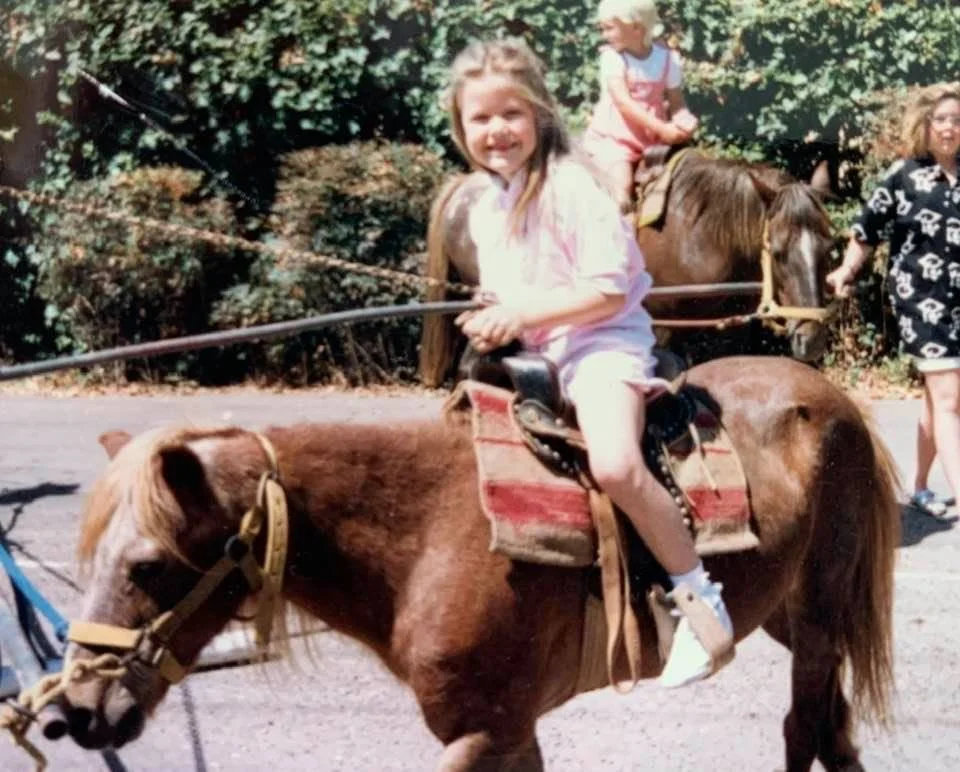
My parents divorced when I was young, which meant I started flying alone at an age when most kids were still being escorted everywhere by their parents. I learned pretty quickly how to walk into unfamiliar places, figure out the room, make myself comfortable, and talk to just about anyone. Somewhere along the way, I also discovered something fascinating about airplanes: put two strangers next to each other in a tin can in the sky, and people will tell you everything.
I heard about marriages, divorces, family drama, regrets, careers, heartbreaks, children, and secrets people seemed surprised to hear themselves saying out loud. Then, even more strangely, they would ask me what I thought. I was still a kid, but I would listen and offer whatever wisdom I had, and adults were constantly telling me how unusually mature I was for my age.
Looking back, those flights were some of my earliest lessons in human behavior. I became fascinated by what people carry around with them, what they reveal when they feel safe, and how much we all want someone to really listen.
I was becoming a therapist long before I knew I wanted to be one.
I learned how to read a room early. Eventually, I also learned how to edit myself to fit it.
Ballet came first. Then modeling. Both taught me discipline, perseverance, and how to keep going when my feet hurt. They also introduced me pretty early to the idea that bodies could be evaluated. Too big here. Not enough there. Stand like this. Lengthen that. Take up space, but only the right kind of space.
And honestly, I was good at it. Not just the ballet or modeling part. I was good at figuring out what was expected of me and becoming that version of myself.
I think a lot of us learn some version of this, even if we've never worn a leotard or stood in front of a camera. Maybe you learned to be the easy one. The funny one. The smart one. The pretty one. The athlete. The caretaker. The kid who never caused trouble. We notice what gets approval, what gets criticized, what makes people comfortable, and somewhere along the way, we can start editing ourselves accordingly.
For me, body image got tangled up in that equation too. I spent years absorbing messages about what a body was supposed to look like and how much attention it deserved. It took me a long time to understand that taking care of your body and constantly monitoring it are not the same thing.
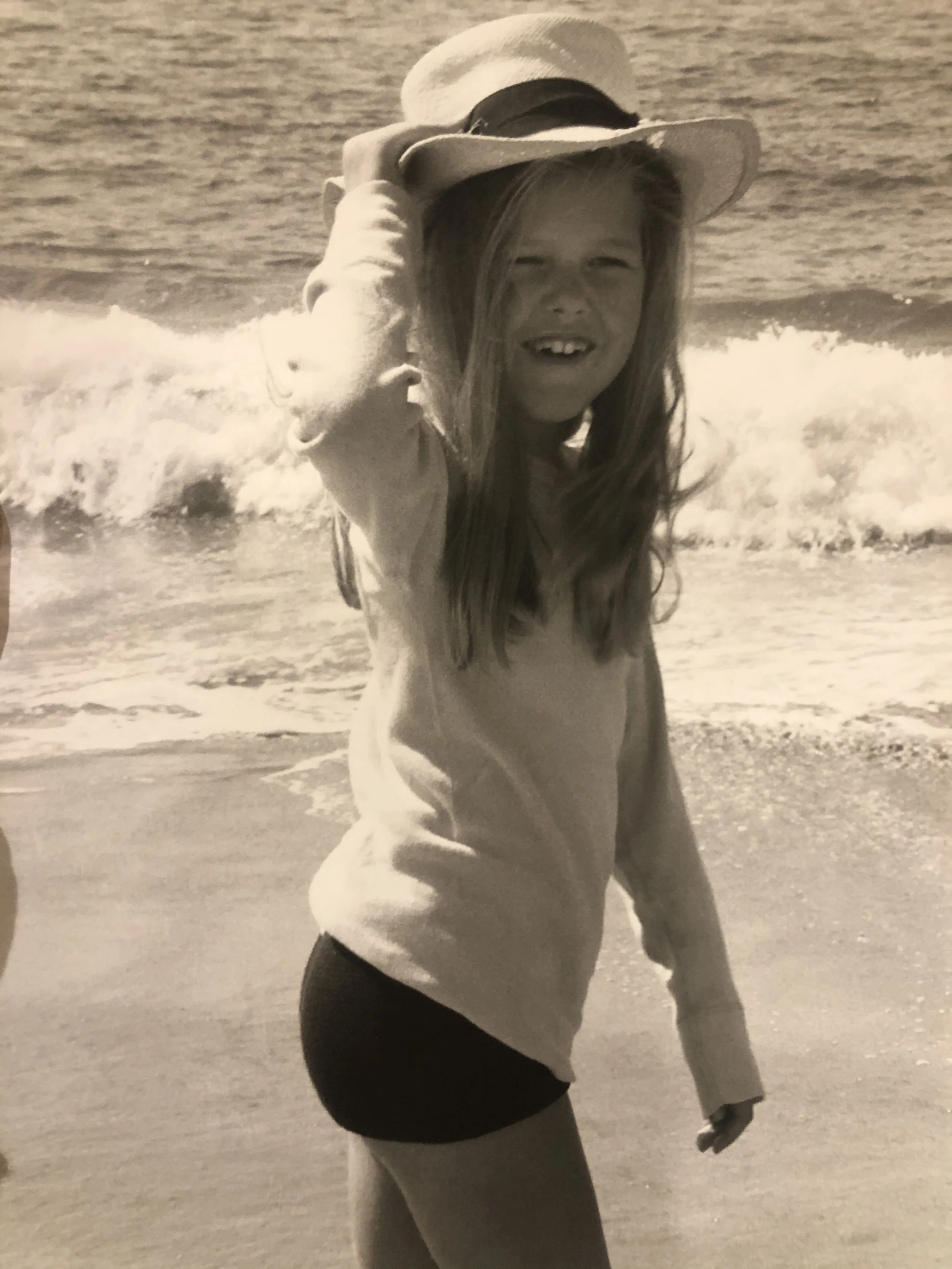
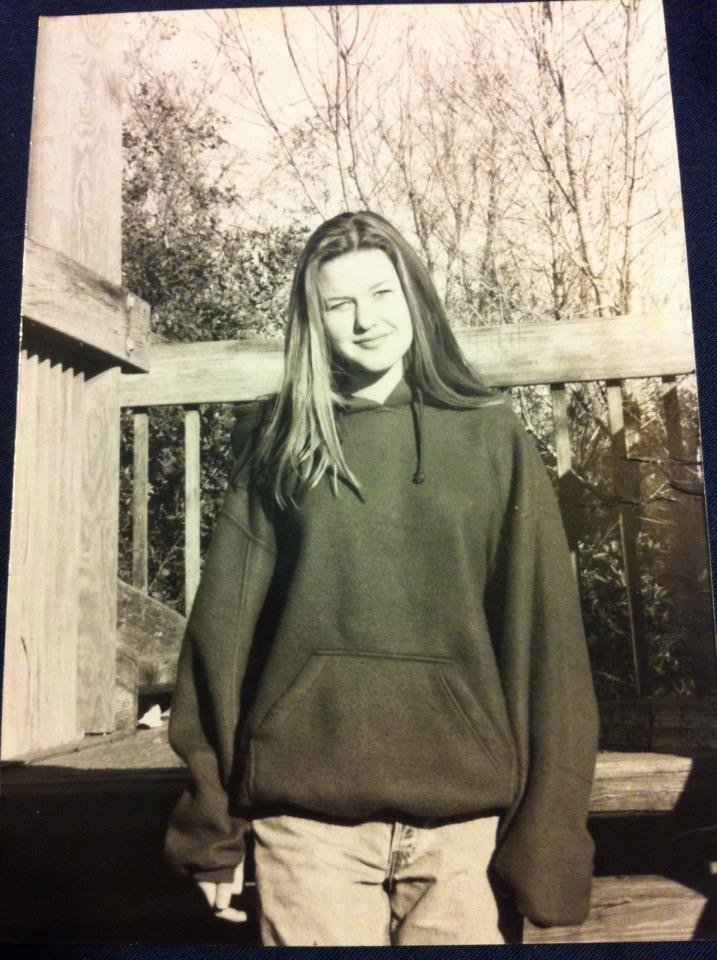
I'd like to disappear into this sweatshirt made for a large adult man, please.
What would happen if we stopped making our bodies audition for our kindness?
That lesson would eventually become a huge part of Kind Body, but I had to live it before I could teach it.
Turns out, fitting in and belonging are two very different things.
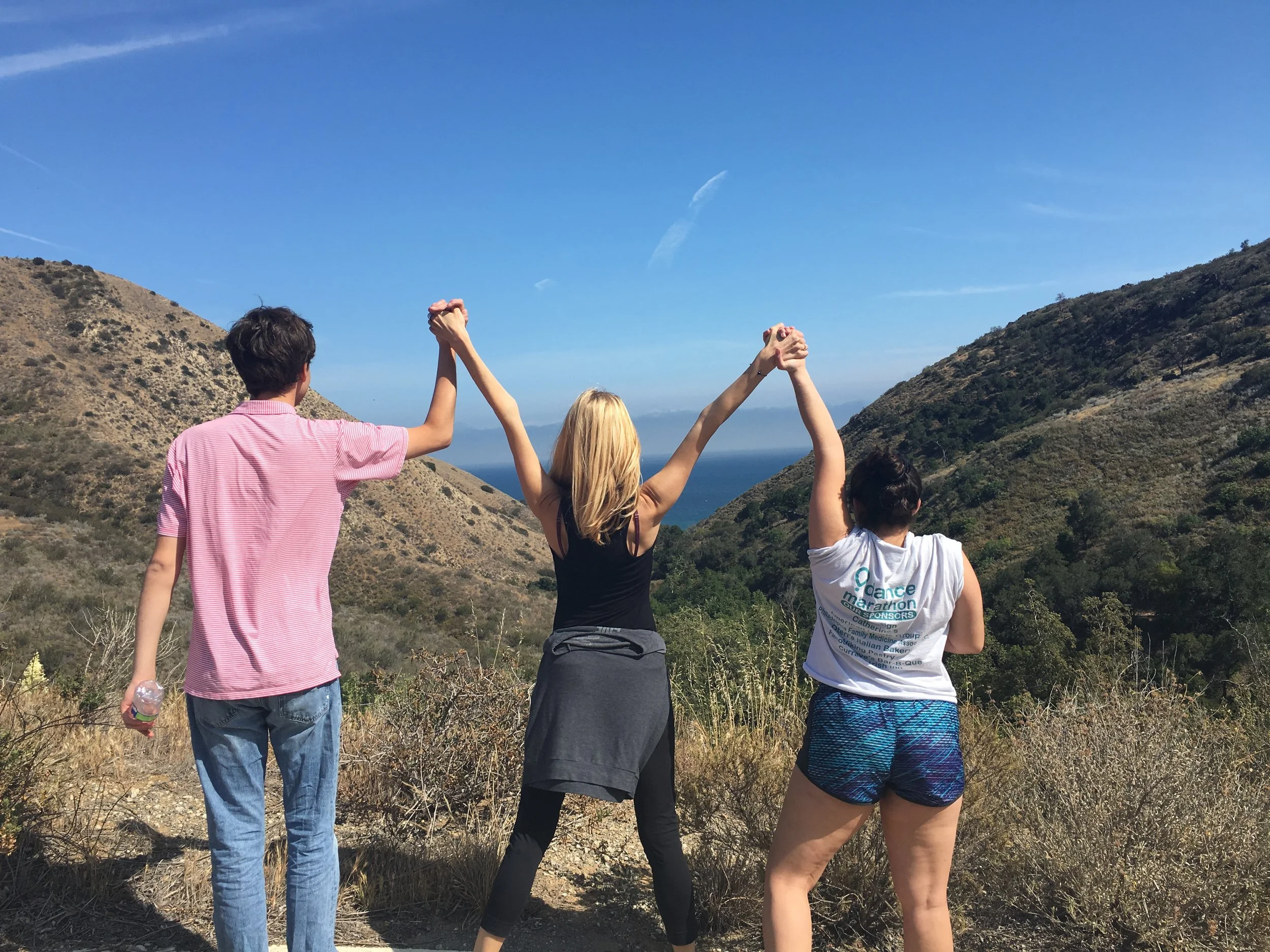
Some of the most meaningful work I’ve done with teens happened outside. Walking side by side, climbing a mountain, or simply being in nature could open conversations that four walls couldn't.

Hydrotherapy and experiential body-image work gave us another way to explore safety, vulnerability, connection, and what it feels like to actually live inside your body.
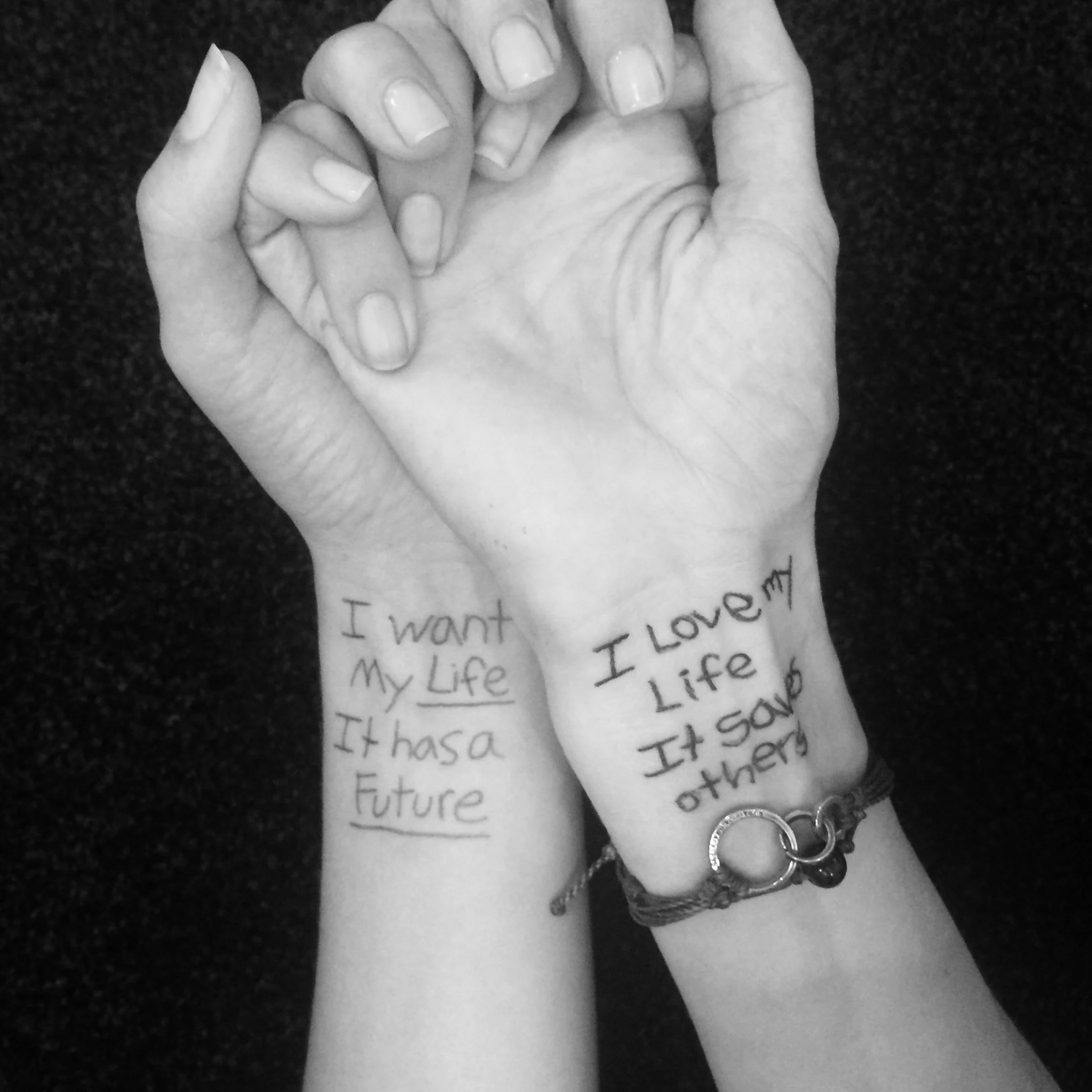
I was running group and let one of my teens doodle on my wrist. I didn’t look until she was finished. What she had written stopped me in my tracks. I’ve never forgotten it.
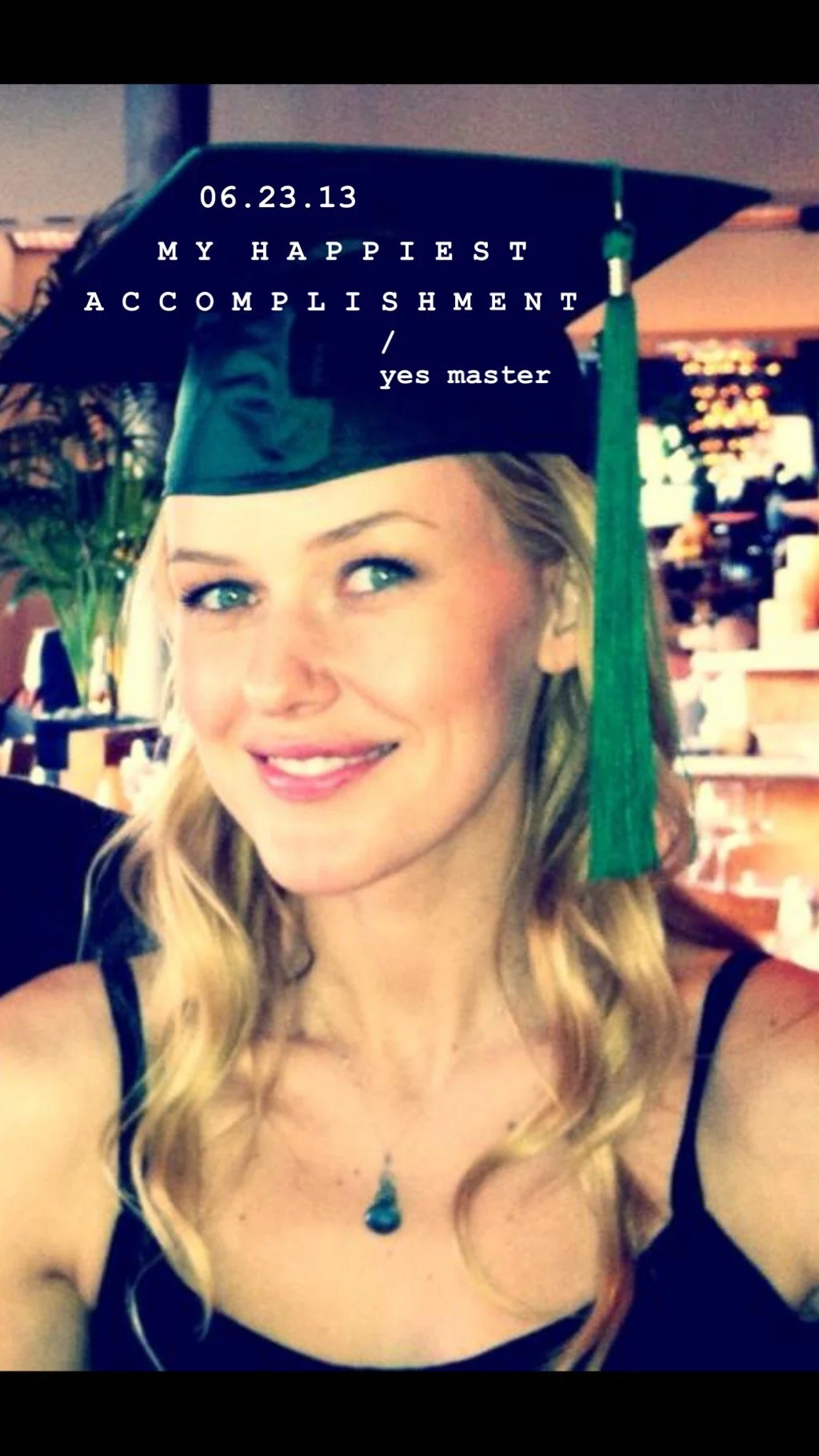
I chose Child and Adolescent Development because I wanted to understand where our patterns begin. If you’re going to help adults untangle their spaghetti, it helps to understand how it got tangled in the first place.
I went on to earn my Master’s in Clinical Psychology and became a licensed marriage and family therapist and clinical hypnotherapist.
For more than 15 years, I’ve worked with thousands of teens and young adults, including high-risk teens in treatment settings, and I’ve volunteered inside lock-down facilities with young people whose lives had already asked far too much of them.
My education gave me theories, frameworks, diagnoses, and an understanding of how the brain works. My clients taught me what all of that looks like when you’re sitting across from an actual human being who is heartbroken, terrified, furious, ashamed, shut down, or absolutely convinced that everyone else received some secret manual for being a person that they somehow missed.
Somewhere in those thousands of conversations, I started noticing the same things over and over again. The details were different, but underneath so many of them was some version of the same quiet belief:
I’m not enough.
Not lovable enough. Not worthy enough. Not attractive enough. Not successful enough. Not capable enough.
Self-worth. Boundaries. Body image. Relationships. Perfectionism. People-pleasing. So many different struggles seemed to lead back to the same place.
And I kept wondering: Why are we waiting until people are in crisis to teach them this stuff?
Especially when knowing the psychology doesn’t make any of us immune to being human. Trust me. I have receipts.
Knowing the psychology never made me immune to being human. I knew about attachment. I understood grief. I could explain cognitive distortions, defense mechanisms, nervous-system responses, and why humans do wildly irrational things when we are scared of losing someone.
Turns out, knowing all of that intellectually and accessing it when your own heart is getting dragged behind a moving vehicle are two very different things.
At one point, I was ceremoniously dumped on Christmas, in an email, by someone with whom I had already named hypothetical unborn children and picked out the church.
There were 2 a.m. bathroom-floor crying sessions. My brain became remarkably skilled at presenting evidence for every reason I was supposedly unlovable. I lost fifteen pounds.
I do not recommend the breakup diet.
So I started looking everywhere.
I was mainlining anything and everything I could get my hands on to understand life, loss, grief, attachment, relationships, identity, suffering, meaning, and why the hell we humans do the things we do. Eastern philosophers. Western thought leaders. Psychology. Spirituality. Attachment theory. Neuroscience. Ancient wisdom. Modern research.
I wasn't looking for one person to hand me the answer. I was looking for the threads that kept showing up across all of them.
Somewhere between the tzatziki and a margarita, I started covering the paper tablecloth with everything that was clicking into place.
Some people use the Notes app. I apparently require a paper tablecloth, tzatziki, and a margarita.
I was taking everything I had learned professionally, everything I was learning personally, and everything I was discovering in completely different schools of thought, and trying to understand how it all fit together.
Basically, I was tying it all up with a Jungian bow.
That tablecloth wasn't Kind Mind. There wasn't a business plan hiding under the hummus, and I wasn't trying to invent a method.
I was trying to make sense of being a person.
But looking back, I can see the beginning of something that would become fundamental to the way I work: take what psychology teaches us, take what neuroscience is discovering, leave room for wisdom that has been around much longer than either, and then ask the question I care about most:
How do we actually use this when life gets real?
All those years of listening, studying, therapizing, searching, scribbling on tablecloths, and untangling the messy spaghetti of my own life eventually started to come into focus.
I wanted to take what I'd learned about the mind, the subconscious, the spirit, childhood, self-worth, relationships, body image, and being a human, and make it useful before someone had to hit a wall to need it.
That became the Kind Mind Method™.
Learn what's actually happening in your brain, body, and patterns.
Recognize where it shows up in your own life.
Work with what lives underneath it so something can actually change.
